MAGI-2 vs Hailuo AI: Duration, Native Audio & Control
Compare Sand.ai’s MAGI-2 flagship with MiniMax Hailuo AI across single-pass duration, synchronized audio, reference conditioning, and short-form production workflows.
Workflow & Specification Overview
| Dimension | MAGI-2 (Sand.ai) | Hailuo AI (MiniMax) |
|---|---|---|
| Model & Developer | Sand.ai flagship MAGI-2 (480B total / ~28B active), 1080p 25 fps native audio | MiniMax Hailuo AI video platform and model family |
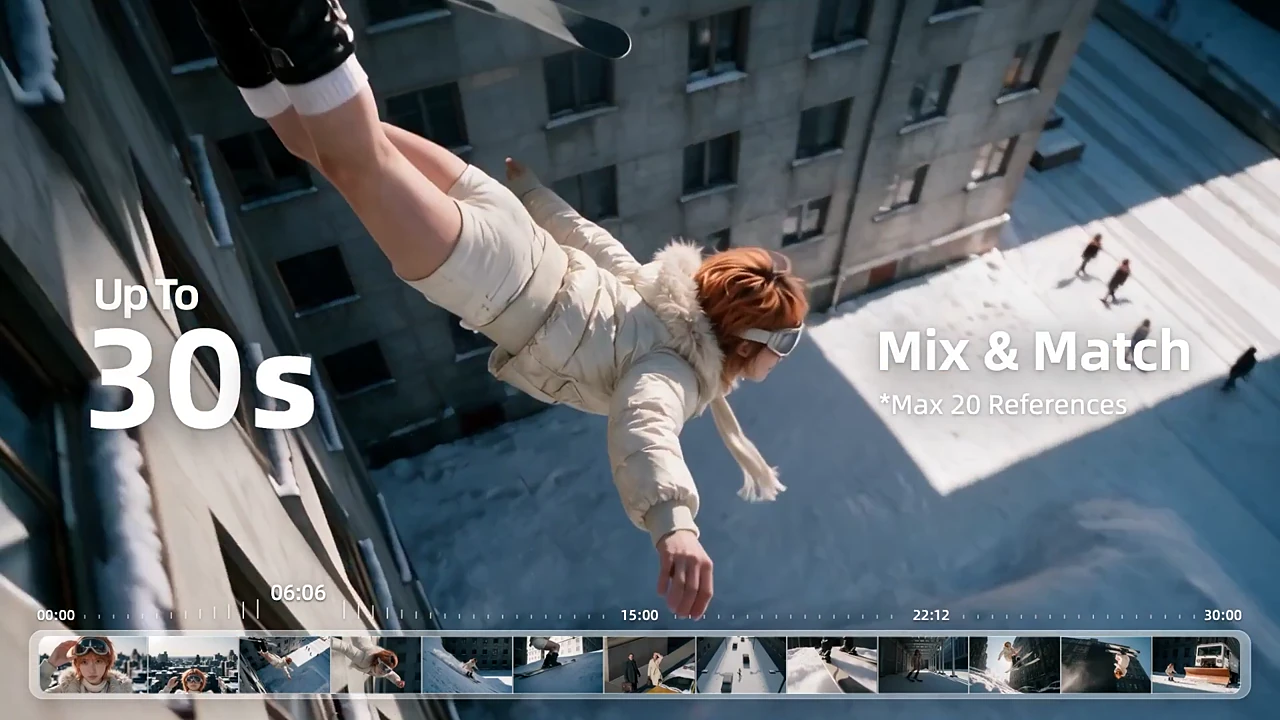
| Clip Length & Ratios | 4–30s per generation across 21:9, 16:9, 4:3, 1:1, 3:4, and 9:16 | Focused on dynamic short clips; exact clip length & ratio options vary by model tier |
| Audio & Dialogue | Native synchronized dialogue lip-sync, foley, ambient sound, and score | Check Hailuo’s active release notes for integrated audio vs post-scoring |
| References & Control | Up to 10 images + 5 videos + 5 audio inputs, start/end frames & timeline control | Image-to-video, subject reference, and camera-motion prompting presets |
| Pricing Reference | $0.08/sec (1080p) on platform.sand.ai; 4 credits/sec on magi2.info | Subscription tiers and credit packs published on Hailuo’s official billing page |
Comparison FAQ
How do MAGI-2 and Hailuo AI differ for ads and short narrative clips?
MAGI-2 stands out for 4–30s single-pass shots, integrated native dialogue/foley audio, and multi-modal (image + video + audio) conditioning. Hailuo AI is popular for dynamic subject motion—testing identical prompts across both shows which motion style fits your scene.
Why does this table omit third-party Elo scores?
Public leaderboard sampling windows differ across model releases. This page sticks to verified specs rather than extrapolating unverified scores.